 한국어
한국어  English
  简体中文
简体中文  日本語
日本語  香港中文
香港中文  Français
  Español
  Bahasa Indonesia
Corporate sustainability reporting has entered a new era with the introduction of the 기업 지속가능성 보고 지침(CSRD). As part of the European Green Deal [1], the CSRD aims to standardize sustainability disclosures, ensuring greater accountability and transparency. At the same time, businesses are undergoing digital transformation, adopting new technologies to optimize operations. These two trends intersect powerfully: digital tools are critical for meeting the stringent requirements of the CSRD, turning compliance from a challenge into an opportunity.
CSRD: Transforming Corporate Sustainability Reporting
그리고 CSRD replaces the 비재무 보고 지침(NFRD), addressing gaps in scope and consistency. CSRD’s requirements are far-reaching:
- Double Materiality Reporting: Companies must assess and disclose both how sustainability issues impact them financially and their external impact on the environment and society.
- Comprehensive Applicability: The CSRD applies to large companies, listed SMEs, and even non-EU companies with significant EU operations, covering an estimated 50,000 businesses—up from 11,700 under the NFRD [2].
- 유럽 지속가능성 보고 표준(ESRS): CSRD aligns disclosures with these detailed guidelines, ensuring data is comparable across sectors.
- 감사 요구 사항: For the first time, sustainability data must undergo external verification, similar to financial audits.
These CSRD’s mandates require meticulous data collection and analysis across vast operational scopes, creating a need for robust technological support.
Digital Transformation: A Strategic Response to CSRD
Digital transformation is the integration of advanced technologies into business processes to enhance efficiency and outcomes. For CSRD compliance, it offers solutions to the most pressing challenges in sustainability reporting:
1. Streamlining Data Collection and Integration
Companies operate across complex supply chains and global markets, making data collection a daunting task. Digital tools simplify this:
- IoT Devices: Sensors capture real-time environmental data, such as energy usage and emissions.
- ERP Systems: Enterprise software centralizes and standardizes ESG data from various departments.
2. Improved Analytics and Reporting
Artificial Intelligence (AI) and machine learning transform raw ESG data into actionable insights:
- AI Models: Analyze vast datasets for trends, predict sustainability risks, and evaluate compliance against ESRS.
- Visualization Tools: Dynamic dashboards present data in a clear, engaging format, aiding communication with stakeholders.
3. Enhancing Data Traceability and Transparency
Blockchain technology is revolutionizing ESG reporting by:
- Securing data authenticity.
- Creating immutable records for audit trails.
- Tracking supply chain impacts with precision.
4. Ensuring Scalability and Adaptability
Cloud platforms provide scalable solutions, allowing businesses to manage growing datasets and integrate new compliance requirements seamlessly.
Challenges in Aligning CSRD with Digital Transformation
While digital transformation is a critical enabler for meeting CSRD requirements, the journey is fraught with challenges that can slow progress or inflate costs. These hurdles stem from technological, organizational, and regulatory complexities. Below is a detailed look at the primary challenges businesses face when integrating digital tools into their sustainability reporting processes under CSRD.
1. High Implementation Costs
Digital transformation requires significant investment in advanced tools like AI, blockchain, and cloud systems. The upfront costs of purchasing or developing these technologies, combined with expenses for integration, customization, and employee training, can strain budgets, especially for SMEs.
- Budget Pressure: Smaller organizations may struggle to allocate resources while meeting broader compliance obligations.
- Hidden Costs: Unanticipated expenses, such as upgrades, data migration, or consulting fees, can compound financial challenges.
2. Legacy Systems and Data Silos
Many businesses rely on legacy IT systems that were not designed for modern reporting requirements. These systems often lack the ability to integrate with newer digital tools, creating barriers to seamless data management.
Additionally, data silos—where information is fragmented across departments or regions—hamper efforts to gather and analyze ESG data cohesively. This fragmentation complicates compliance with CSRD’s demand for comprehensive, transparent, and verifiable reporting.
3. Time Constraints
With tight deadlines for compliance, many organizations feel pressured to implement digital solutions quickly. Rushed implementations often result in incomplete systems that fail to meet the full spectrum of CSRD requirements. Additionally, preparing for mandatory third-party assurance adds another layer of urgency, leaving little room for error in the CSRD reporting process.
4. Skill Gaps in Workforce
The successful deployment of digital solutions for sustainability reporting depends on a workforce skilled in ESG reporting and digital tools. Many organizations face:
- Limited Expertise: Lack of in-house knowledge about advanced technologies.
- Resistance to Change: Employees accustomed to traditional processes may resist adopting new tools or methods.
Harnessing Digital Transformation for Competitive Advantage Under CSRD
Adopting digital transformation to comply with the CSRD requires a strategic and cohesive approach. Businesses need to ensure that their technology, data management, and internal processes align with the sustainability reporting standards set by the CSRD. Below is a practical guide to help organizations implement this transformation successfully.
1. Strategic Planning and Alignment
To leverage digital transformation effectively for CSRD compliance, organizations must first undertake thorough strategic planning. This involves assessing existing processes, identifying technological gaps, and setting clear objectives for sustainability reporting. Businesses should establish a cross-functional team to evaluate how digital tools can support each stage of the CSRD reporting process, ensuring alignment with corporate sustainability goals. This team should include representatives from IT, sustainability, finance, and operations to provide diverse perspectives and expertise.
In addition, aligning technology investments with business strategies is crucial. It ensures that the solutions deployed not only address immediate compliance demands but also contribute to long-term sustainability and competitive advantage. Organizations should focus on scalable and adaptable technologies that can evolve with changing regulatory landscapes and business needs. A phased approach to implementation can help in prioritizing areas with the greatest impact while managing costs and minimizing disruptions.
2. Investment in Workforce Development
A successful digital transformation for CSRD necessitates a skilled and adaptable workforce. Organizations need to invest in comprehensive training programs to enhance employees’ proficiency with new tools and technologies. This is not limited to IT professionals; all staff involved in sustainability reporting should understand the processes and tools that contribute to CSRD compliance. Workshops, webinars, and certification courses can be effective in bridging skill gaps and fostering a culture of continuous learning within the company.
3. Continuous Evaluation and Adaptation
Ongoing evaluation of both digital transformation initiatives and CSRD compliance efforts is crucial. Organizations should establish metrics and KPIs to monitor the effectiveness of their technology deployments and reporting processes. Regular audits and feedback loops can identify areas for improvement, enabling timely adjustments that enhance outcomes and ensure compliance with CSRD regulatory requirements.
Adaptability is key in a rapidly changing regulatory environment. Businesses should stay informed about updates to sustainability standards and reporting requirements, ensuring their digital solutions remain relevant. This readiness to adapt not only aids compliance but can also position a company as a leader in sustainability, enhancing brand reputation and stakeholder trust. Through continuous improvement, organizations can refine their approaches, achieving greater efficiency and establishing themselves as pioneers in the pursuit of sustainable business practices.
세네카 ESG가 비즈니스에 도움이 되는 방법
CSRD 규정 준수 및 더 광범위한 ESG 보고 요구 사항을 탐색하는 것은 어려울 수 있습니다. Seneca ESG는 데이터 수집, 분석 및 보고 프로세스를 간소화하는 맞춤형 소프트웨어 솔루션을 제공합니다. 기존 워크플로와 완벽하게 통합되도록 설계된 이러한 도구는 기업이 지속 가능성 목표를 효율적으로 달성할 수 있도록 지원합니다.
1. AERA: GHG 관리자
그리고 AERA 온실가스 관리자 계산 및 관리를 간소화합니다. 온실 가스(GHG) 배출, GHG 프로토콜 및 ISO 14064와 같은 표준을 손쉽게 준수할 수 있습니다. 이 도구는 기업이 다음을 수행하는 데 도움이 됩니다.
- 길 GHG 배출 범위 1, 2 및 3.
- 목표적 개입을 위해 GHG 배출 핫스팟을 식별합니다.
- 데이터 활용 50,000개 이상의 배출 요소 정확한 보고를 보장하기 위해.
2. EPIC: 기업용
서사시 기업의 요구에 맞춰 조정된 포괄적인 ESG 관리 솔루션입니다. 기업이 ESG 성과 목표를 달성하는 동시에 CSRD 준수를 달성하도록 지원합니다. 주요 기능은 다음과 같습니다.
- 정렬 글로벌 ESG 보고 표준 ESRS, GRI, TCFD 등이 있습니다.
- 도구 추적성 및 감사성신뢰할 수 있는 데이터와 원활한 보증 프로세스를 보장합니다.
- 기능 목표 설정 및 진행 상황 추적기업이 지속 가능성 목표를 측정하고 달성할 수 있도록 지원합니다.
3. ZENO: 금융 기관을 위한
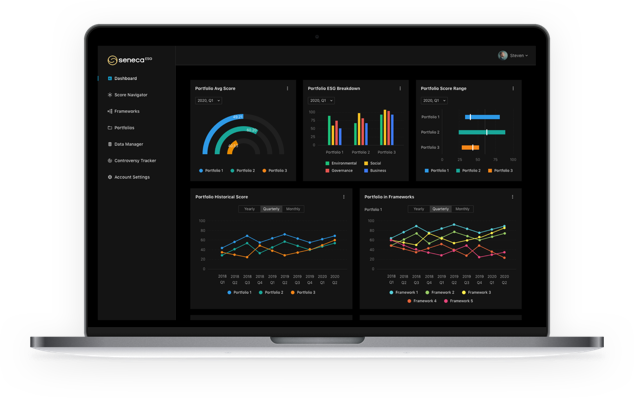
ZENO 금융 기관이 사용자 정의 가능한 채점 방법을 사용하여 포트폴리오의 ESG 성과를 평가할 수 있도록 합니다. ZENO를 사용하면 조직에서 다음을 수행할 수 있습니다.
- 설계 맞춤형 ESG 스코어카드 투자 전략과 이해관계자의 선호도에 맞춰 제공됩니다.
- 통합하다 제3자 데이터 ESG 평가를 강화하기 위해
- 가능하게 하다 관리 및 참여 지속 가능한 금융에 적극적으로 기여할 수 있도록 이니셔티브를 강화합니다.
이상과 함께 70개의 내장된 공개 프레임워크ESRS, GRI, SASB, TCFD를 포함한 Seneca ESG의 솔루션은 CSRD 및 기타 규정의 진화하는 요구 사항을 충족하는 동시에 보고를 간소화하도록 설계되었습니다. 실시간 모니터링 및 AI 기반 기술로 지원되는 이러한 도구는 기업과 금융 기관 모두에게 지속 가능성을 간단하게 만듭니다.
앞으로 나아갈 길
CSRD is more than a regulatory directive; it’s a transformative framework pushing businesses toward sustainable innovation. Digital transformation acts as the bridge, empowering companies to not only comply but also excel in their sustainability reporting.
By embracing technology, businesses can turn the challenges of CSRD compliance into opportunities for growth, efficiency, and leadership in the ESG space. With the right tools, strategies, and mindset, companies will not only meet regulatory demands but also set benchmarks for sustainable operations in an increasingly data-driven world.
참조:
[1] https://commission.europa.eu/strategy-and-policy/priorities-2019-2024/european-green-deal_en