 한국어
한국어  English
  简体中文
简体中文  日本語
日本語  香港中文
香港中文  Français
  Español
  Bahasa Indonesia
In the evolving landscape of corporate sustainability, two terms frequently dominate boardroom discussions and ESG reports: carbon zero 그리고 탄소 중립. While often used interchangeably, they hold fundamentally different meanings with significant implications for business strategy, stakeholder communication, and regulatory compliance.
Understanding the difference between carbon zero and carbon neutral is more than just semantics. As ESG disclosure expectations increase globally and stakeholders demand transparent climate action, businesses must accurately define and pursue the right carbon strategy. In this 2025 guide, we unpack these concepts, explore their business impacts, and help you determine the best path forward for your sustainability goals.
Defining the Terms: Carbon Zero vs Carbon Neutral
Understanding the fundamental difference between these two concepts is critical for organizations setting long-term climate goals. While 탄소 중립성 allows companies to balance out their emissions through offsets, carbon zero demands a deeper transformation that targets direct emission elimination. The choice between the two reflects an organization’s level of climate ambition, strategic investment, and alignment with evolving ESG expectations.
What Does “Carbon Neutral” Mean?
Carbon neutrality refers to achieving a balance between emitting carbon and offsetting it. A carbon-neutral company still emits greenhouse gases (GHGs) through its operations but invests in activities—such as reforestation or carbon credits—to offset the equivalent amount of emissions.
This approach is widely adopted because it enables companies to continue operating while compensating for their climate impact. Popular carbon-neutral certifications, such as PAS 2060 and the Carbon Trust Standard, validate these efforts.
Key characteristics:
- Emissions are measured.
- Carbon credits are purchased to offset emissions.
- Business-as-usual operations may continue with incremental efficiency improvements.
What Does “Carbon Zero” Mean?
Carbon zero—often called net zero carbon 또는 true zero emissions—goes a step further. This term implies that a company or product emits no carbon emissions at all, or reduces them to a near-zero baseline without relying heavily on offsets.
A carbon zero strategy involves deep decarbonization of value chains, replacing fossil fuels with renewables, redesigning products, and transforming supply chains. Offsets, if used at all, are minimal and typically reserved for residual emissions that are technologically or economically unfeasible to eliminate.
Key characteristics:
- Focus on eliminating emissions at the source.
- Minimal reliance on carbon offsets.
- Requires significant investment in green infrastructure and innovation.
Why the Distinction Matters for Business Strategy
그리고 carbon zero vs carbon neutral debate is not academic—it carries strategic implications across ESG reporting, stakeholder engagement, and corporate risk management.
Investor Perception
In 2025, institutional investors and ESG funds differentiate between carbon-neutral and carbon-zero commitments. According to BloombergNEF, growing concerns over offset quality have led many asset managers to shift focus toward genuine emissions reduction rather than offset reliance—signaling a broader industry preference for true net‑zero strategies over heavy use of carbon credits. [1]
규정 준수
Regulations are tightening. The EU’s Corporate Sustainability Reporting Directive (CSRD) 및 ISSB’s IFRS S2 now require granular disclosures about emissions reduction pathways and offset usage. Greenwashing allegations can arise if companies use “carbon neutral” claims without transparency.
Brand Trust and Consumer Expectations
그리고 2024 Accenture Sustainable Consumer Survey found that 74% of Gen Z and millennial consumers trust brands more when they commit to eliminating emissions rather than offsetting them. In an era of purpose-driven buying, this can drive revenue and loyalty. [2]
Case Studies: Carbon Zero and Carbon Neutral in Action
Microsoft: A Carbon Negative Ambition
Microsoft has set one of the most ambitious climate targets in the corporate world—committing to become carbon negative by 2030. This goal means the company intends to remove more carbon from the atmosphere than it emits. Microsoft’s strategy includes deep investments in carbon capture and storage technologies, electrification of its vehicle fleet, transitioning to 100% renewable energy, and restoring ecosystems to offset historical emissions dating back to its founding in 1975. Its efforts embody a carbon zero mindset, emphasizing deep decarbonization before relying on removals. [3]
Interface: From Neutrality to Zero
Interface, a global leader in sustainable flooring, offers a powerful example of evolution from carbon neutral to carbon zero. Initially, the company achieved carbon neutrality by offsetting emissions across its product life cycles. However, it has since taken a more transformative approach by redesigning its carpet tiles to be carbon negative—removing more carbon than they emit without heavy dependence on offsets. This shift required reengineering materials, altering supply chains, and adopting circular economy principles. Interface’s journey showcases how companies can progress from compensating for emissions to eliminating them entirely. [4]
Latest Trends and Expectations in 2025
These trends underscore a clear shift from superficial climate pledges to measurable, science-aligned action. As scrutiny intensifies in 2025, businesses are expected not only to set ambitious goals but also to demonstrate credible pathways to achieving carbon zero or carbon neutral outcomes.
Science-Based Targets
Businesses are increasingly adopting Science-Based Targets initiative (SBTi) Net-Zero Standard, which requires a minimum 90% emissions reduction by 2050 and limits offset use to no more than 10%.
Transition Plans
Governments now demand detailed climate transition plans. The UK and EU require listed companies to disclose credible roadmaps to carbon zero or neutral status, with clear capital allocation and progress metrics.
Offset Market Scrutiny
A 2024 report by Reuters highlighted that 41% of voluntary carbon credits failed to meet permanence or additionality standards. [5] The era of unverified offsets is ending. Companies are urged to disclose offset quality, vintage, and project types.
Scope 3 Emissions Pressure
Stakeholders are increasingly focused on 범위 3 배출량—those from supply chains and product use. Achieving carbon zero often necessitates upstream and downstream decarbonization, requiring partnerships and innovation across ecosystems.
Practical Takeaways: How to Choose the Right Approach
| Recommendation | Details |
| Align with Stakeholder Expectations | Carbon neutral may suit SMEs or early-stage efforts. Carbon zero, however, signals long-term climate leadership, especially in high-risk industries. |
| Invest in Decarbonization, Not Just Offsets | Prioritize operational reductions—efficiency, electrification, renewables—before offsetting. Follow the “Reduce, Replace, Remove” hierarchy. |
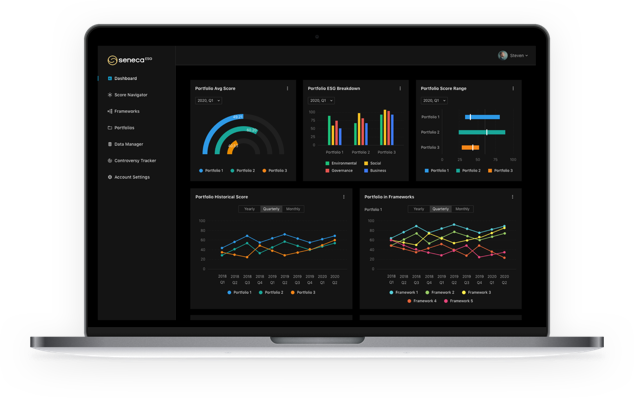
| Be Transparent | Clearly disclose goal definitions, emission scopes (1–3), and offset usage. Use ESG platforms like 세네카 ESG for traceability. |
| Plan for Evolving Standards | Align with ISSB 그리고 CSRD guidance. Differentiate between carbon-neutral branding and strategic net-zero transition pathways. |
최종 생각
Understanding the difference between carbon zero vs carbon neutral is essential for companies aiming to lead a carbon-constrained economy. While both approaches signal climate responsibility, they differ in ambition, execution, and impact. In 2025, stakeholders reward companies that move beyond offsetting toward true decarbonization.
Whether you start with carbon neutrality or aim directly for carbon zero, the path forward must be credible, data-driven, and aligned with science-based targets. The race to zero is not just about emissions—it’s about leadership, resilience, and long-term value creation.
참조:
[2] https://www.accenture.com/za-en/blogs/sustainability/reinventing-consumption
[3] https://blogs.microsoft.com/blog/2020/01/16/microsoft-will-be-carbon-negative-by-2030/
[4] https://www.interface.com/US/en-US/sustainability/carbon-negative.html