 日本語
日本語  English
  简体中文
简体中文  香港中文
香港中文  Français
  Español
  Bahasa Indonesia
  한국어
한국어 
Reporting on environmental, social, そして ガバナンス(ESG) initiatives has evolved into a cornerstone of modern corporate strategy. As stakeholders—ranging from investors to customers, regulators, and employees—demand greater accountability, businesses are compelled to showcase their ESG performance transparently. However, achieving this transparency is rarely an overnight process. Companies often progress incrementally, working to align compliance efforts with a broader objective of fostering trust and demonstrating a commitment to ethical, sustainable, and socially responsible practices.
The value of ESG reporting lies in its ability to present a comprehensive snapshot of an organization’s impact across environmental, societal, and governance dimensions. It serves as a critical tool for strategic decision-making and is instrumental in strengthening brand loyalty and long-term value from the perspective of both investors and customers.
Key elements of ESG reporting encompass a broad spectrum of focus areas:
- 環境: Addressing issues like climate change, energy use, carbon footprint, waste management, and biodiversity protection.
- ソーシャルだ: Encompassing diversity and inclusion, workplace safety, equitable labor practices, supply chain ethics, and community engagement.
- ガバナンス Highlighting board structure, executive pay, transparency, corporate ethics, and risk oversight.
Despite the growing adoption of ESG frameworks, organizations continue to encounter numerous challenges in establishing effective reporting mechanisms. This article delves into these obstacles, offering practical guidance to help businesses overcome them and enhance their approach to ESG reporting.
1. Lack of Standardization
The absence of a standardized ESG reporting framework remains a significant challenge for businesses worldwide. With a variety of existing frameworks such as GRI, SASBそして CDP, companies are left to navigate conflicting guidelines and metrics. This fragmentation makes it difficult to choose the right standards, leading to confusion and inefficiency in ESG reporting practices.
The complexity of these frameworks further complicates the issue. Many standards are tailored to specific industries or regions, which means organizations often struggle to adopt a one-size-fits-all approach. This results in companies either using multiple standards or developing their own reporting systems, both of which consume valuable resources.
This lack of consistency undermines the ability to compare ESG data across different organizations, sectors, and regions. For investors and stakeholders, inconsistent or incompatible data makes it harder to assess a company’s ESG performance and impacts decision-making. The absence of uniformity reduces the effectiveness of ESG reporting as a tool for fostering transparency and accountability.
Despite efforts from organizations like the ISSB to streamline ESG reporting, a universal framework has yet to emerge. Different industries and cultural contexts make it difficult to create a single standard that fits all, leaving companies to adapt to evolving regulatory landscapes and varying stakeholder expectations.
To effectively address the challenge of ESG reporting fragmentation, organizations must take a strategic, proactive approach. First, companies should carefully assess which frameworks align best with their long-term sustainability goals, industry norms, and stakeholder needs. While no single framework will be perfect, selecting a few key, well-established standards provides a solid foundation. It’s important to focus on frameworks that resonate with investors, customers, and regulators, ensuring the chosen approach reflects the company’s values and priorities.
Furthermore, organizations should invest in training staff and developing internal processes to ensure consistency and clarity in ESG reporting. Equip teams with the tools and knowledge to navigate evolving standards and remain compliant with new regulations. Companies should also stay agile and continuously monitor updates in ESG regulations and emerging frameworks. Being flexible and ready to adapt will help mitigate the risks associated with changing requirements.
2. Data Collection and Accuracy
According to a survey [1], a significant 83% of businesses anticipate encountering difficulties in gathering precise data for CSRD reporting obligations. Generally, data collection and accuracy in ESG reporting present significant challenges for organizations. Gathering comprehensive data across environmental, social, and governance factors is complex, especially when it spans multiple departments, locations, and systems. Inconsistent data collection processes often result in gaps or inaccuracies, making it difficult to provide reliable ESG insights.
A key issue is ensuring the accuracy of self-reported data. Different departments may use varying measurement methods, leading to inconsistencies in metrics like carbon emissions or employee well-being. This lack of standardization can undermine the credibility of ESG reports and make it harder to compare performance across companies or industries.
The sheer volume of data involved also poses challenges. With numerous ESG indicators to track, companies may struggle to manage and validate the information, especially without the right systems in place. Inaccurate or incomplete data can reduce the effectiveness of ESG reporting for investors and stakeholders.
To address these challenges, companies must implement standardized measurement tools and ensure consistent data collection processes across all business units. Leveraging technology such as AI or automation can help streamline data management and improve accuracy.
Investing in staff training, regular audits, and third-party verification will further enhance the reliability of ESG data. By focusing on these strategies, organizations can improve the credibility of their ESG reports and meet regulatory requirements, ultimately fostering greater transparency and accountability.
3. Materiality Assessment
A マテリアリティ評価 is a critical process that helps organizations identify and prioritize the environmental, social, and governance (ESG) issues that are most significant to their business operations and stakeholders. By focusing on material topics, companies can allocate resources effectively and ensure their ESG strategies align with both internal goals and external expectations. Conducting a thorough materiality assessment also enables organizations to identify risks and opportunities that could influence their long-term success.
The process typically involves engaging with a variety of stakeholders, including employees, investors, customers, and community representatives, to collect diverse insights on ESG priorities. Companies often use surveys, interviews, and workshops to facilitate this engagement. Additionally, analyzing industry trends, regulatory requirements, and benchmarking against peers can provide valuable context for determining which topics are most material to the business. This data-driven approach ensures that the assessment is comprehensive and reflective of both stakeholder interests and market dynamics.
Once material topics have been identified, it is essential to integrate them into the organization’s strategic planning and reporting processes. Clear communication of these priorities to stakeholders through sustainability reports or other disclosure channels enhances transparency and demonstrates accountability. Regularly revisiting and updating the materiality assessment helps companies remain adaptive to changing circumstances, ensuring that their ESG efforts continue to be relevant and impactful over time.
4. Governance Risks
One significant challenge associated with governance risks lies in managing conflicting interests between stakeholders. Companies often face pressures from shareholders seeking short-term financial performance while simultaneously needing to address long-term sustainability and ethical practices. Navigating these opposing priorities can lead to difficult governance decisions, potentially jeopardizing an organization’s reputation and operational stability. Additionally, weak governance structures often fail to prevent unethical behaviors, such as fraud or corruption, which further expose businesses to regulatory penalties and reputational damage.
To address this challenge, organizations must establish robust governance frameworks that clearly define roles, responsibilities, and accountability mechanisms. Empowering an independent board with diverse expertise is essential for ensuring objective oversight and balanced decision-making. Transparent communication channels between the board, executive leadership, and key stakeholders create the foundation needed for addressing competing interests effectively. Furthermore, aligning governance practices with widely recognized standards, such as the OECD Guidelines [2] or UN Sustainable Development Goals [3], can help organizations build trust with stakeholders.
Another critical strategy is the implementation of rigorous internal control systems and risk management practices. Proactive measures, such as auditing processes, whistleblower programs, and ethical training for employees, can mitigate governance risks and foster a culture of integrity. By identifying potential weaknesses in internal governance early, companies can bolster resilience against fraud or malpractice. Such action not only minimizes the risk of regulatory non-compliance but also enhances the organization’s ability to respond to crises effectively and responsibly.
5. Greenwashing
グリーンウォッシング refers to the practice of providing misleading or false claims about the sustainability or environmental benefits of a company’s products, services, or operations. This deceptive tactic is often employed to enhance brand image or appeal to environmentally conscious consumers, but it poses significant risks to businesses and stakeholders alike. Companies accused of greenwashing not only face reputational damage but also potential legal and regulatory consequences as governments crack down on false advertising and sustainability claims.
One of the primary drivers of greenwashing is the lack of clear standards and definitions around sustainability claims. Without universally accepted metrics or certifications, companies may exaggerate or selectively disclose information that portrays them in a more favorable light. For example, a company might highlight minor eco-friendly initiatives while neglecting to acknowledge larger, unresolved environmental issues within its operations.
To combat greenwashing, organizations must prioritize transparency and accuracy in their ESG communications. This includes providing evidence-based claims, using third-party certifications, and aligning with recognized sustainability frameworks such as GRI or SASB. Engaging in honest reporting not only builds trust with consumers and stakeholders but also mitigates the risk of legal repercussions. Furthermore, companies should focus on actionable strategies to achieve genuine sustainability instead of relying on superficial marketing efforts. By fostering authenticity and accountability, businesses can maintain credibility while advancing their ESG objectives in a meaningful way.
Start Your ESG Journey with Seneca ESG
セネカESG empowers organizations with cutting-edge solutions to navigate the complexities of environmental, social, and governance (ESG) responsibilities. Our suite of innovative products—AERA, EPIC, and ZENO—offers tailored features to optimize ESG data management, reporting, and scoring.
AERA GHG Partner
アエラ revolutionizes carbon management with automated calculations and comprehensive data coverage. With access to 50,000+ emission factors, it provides precise Scope 1, 2, and 3 emissions insights. Aligned with global standards, AERA eliminates manual guesswork, enabling businesses to visualize their ESG performance in real time. Whether calculating emissions across CO₂e or monitoring all seven regulated greenhouse gases, AERA ensures your sustainability efforts are accurate and effortless.
企業向けEPIC
Streamline your ESG compliance journey with すごい, a full-range solution designed for seamless data management. Supporting 70+ disclosure standards, EPIC allows corporations to combine frameworks, visualize ESG progress with an intuitive dashboard, and automate workflows across divisions and locations. With features like version control, intelligent question grouping, and goal tracking, EPIC ensures you stay ahead of compliance requirements with ease and efficiency.
金融機関向けZENO
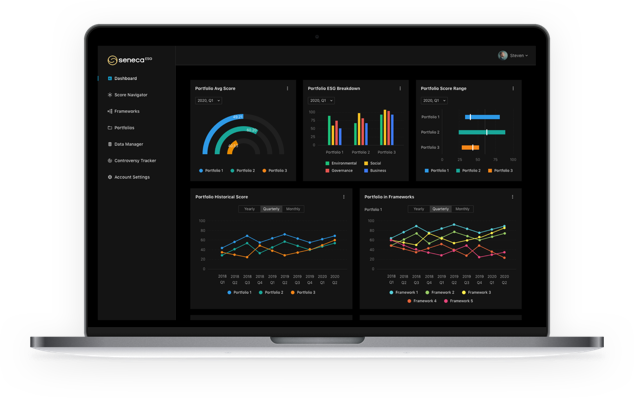
ゼノ offers financial institutions the flexibility to implement situation-specific ESG scoring. Whether integrating 3rd-party data, designing custom ESG scorecards, or automating data collection, ZENO adapts to meet your objectives. Tailored to portfolio strategies, industry criteria, and stakeholder preferences, ZENO’s scalable capabilities provide unparalleled insights for benchmarking and analysis.
Transform your ESG journey today. Contact us to learn how our solutions can help you achieve your goals effortlessly!
参考文献: