 日本語
日本語  English
  简体中文
简体中文  香港中文
香港中文  Français
  Español
  Bahasa Indonesia
  한국어
한국어 
Corporate sustainability reporting has entered a new era with the introduction of the コーポレート・サステナビリティ・レポーティング指令(CSRD). As part of the European Green Deal [1], the CSRD aims to standardize sustainability disclosures, ensuring greater accountability and transparency. At the same time, businesses are undergoing digital transformation, adopting new technologies to optimize operations. These two trends intersect powerfully: digital tools are critical for meeting the stringent requirements of the CSRD, turning compliance from a challenge into an opportunity.
CSRD: Transforming Corporate Sustainability Reporting
について CSRD replaces the 非財務報告指令(NFRD), addressing gaps in scope and consistency. CSRD’s requirements are far-reaching:
- Double Materiality Reporting: Companies must assess and disclose both how sustainability issues impact them financially and their external impact on the environment and society.
- Comprehensive Applicability: The CSRD applies to large companies, listed SMEs, and even non-EU companies with significant EU operations, covering an estimated 50,000 businesses—up from 11,700 under the NFRD [2].
- 欧州サステナビリティ報告基準(ESRS): CSRD aligns disclosures with these detailed guidelines, ensuring data is comparable across sectors.
- 監査要件: For the first time, sustainability data must undergo external verification, similar to financial audits.
These CSRD’s mandates require meticulous data collection and analysis across vast operational scopes, creating a need for robust technological support.
Digital Transformation: A Strategic Response to CSRD
Digital transformation is the integration of advanced technologies into business processes to enhance efficiency and outcomes. For CSRD compliance, it offers solutions to the most pressing challenges in sustainability reporting:
1. Streamlining Data Collection and Integration
Companies operate across complex supply chains and global markets, making data collection a daunting task. Digital tools simplify this:
- IoT Devices: Sensors capture real-time environmental data, such as energy usage and emissions.
- ERP Systems: Enterprise software centralizes and standardizes ESG data from various departments.
2. Improved Analytics and Reporting
Artificial Intelligence (AI) and machine learning transform raw ESG data into actionable insights:
- AI Models: Analyze vast datasets for trends, predict sustainability risks, and evaluate compliance against ESRS.
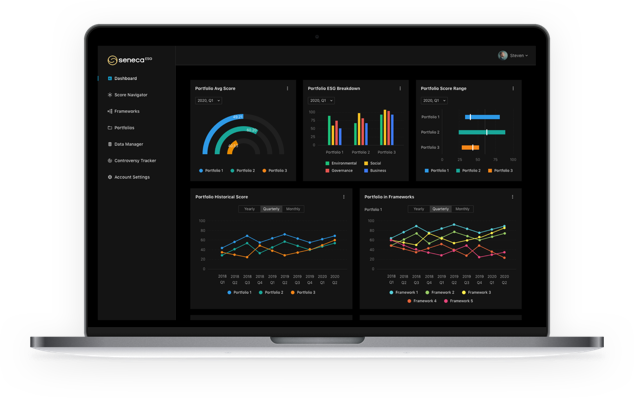
- Visualization Tools: Dynamic dashboards present data in a clear, engaging format, aiding communication with stakeholders.
3. Enhancing Data Traceability and Transparency
Blockchain technology is revolutionizing ESG reporting by:
- Securing data authenticity.
- Creating immutable records for audit trails.
- Tracking supply chain impacts with precision.
4. Ensuring Scalability and Adaptability
Cloud platforms provide scalable solutions, allowing businesses to manage growing datasets and integrate new compliance requirements seamlessly.
Challenges in Aligning CSRD with Digital Transformation
While digital transformation is a critical enabler for meeting CSRD requirements, the journey is fraught with challenges that can slow progress or inflate costs. These hurdles stem from technological, organizational, and regulatory complexities. Below is a detailed look at the primary challenges businesses face when integrating digital tools into their sustainability reporting processes under CSRD.
1. High Implementation Costs
Digital transformation requires significant investment in advanced tools like AI, blockchain, and cloud systems. The upfront costs of purchasing or developing these technologies, combined with expenses for integration, customization, and employee training, can strain budgets, especially for SMEs.
- Budget Pressure: Smaller organizations may struggle to allocate resources while meeting broader compliance obligations.
- Hidden Costs: Unanticipated expenses, such as upgrades, data migration, or consulting fees, can compound financial challenges.
2. Legacy Systems and Data Silos
Many businesses rely on legacy IT systems that were not designed for modern reporting requirements. These systems often lack the ability to integrate with newer digital tools, creating barriers to seamless data management.
Additionally, data silos—where information is fragmented across departments or regions—hamper efforts to gather and analyze ESG data cohesively. This fragmentation complicates compliance with CSRD’s demand for comprehensive, transparent, and verifiable reporting.
3. Time Constraints
With tight deadlines for compliance, many organizations feel pressured to implement digital solutions quickly. Rushed implementations often result in incomplete systems that fail to meet the full spectrum of CSRD requirements. Additionally, preparing for mandatory third-party assurance adds another layer of urgency, leaving little room for error in the CSRD reporting process.
4. Skill Gaps in Workforce
The successful deployment of digital solutions for sustainability reporting depends on a workforce skilled in ESG reporting and digital tools. Many organizations face:
- Limited Expertise: Lack of in-house knowledge about advanced technologies.
- Resistance to Change: Employees accustomed to traditional processes may resist adopting new tools or methods.
Harnessing Digital Transformation for Competitive Advantage Under CSRD
Adopting digital transformation to comply with the CSRD requires a strategic and cohesive approach. Businesses need to ensure that their technology, data management, and internal processes align with the sustainability reporting standards set by the CSRD. Below is a practical guide to help organizations implement this transformation successfully.
1. Strategic Planning and Alignment
To leverage digital transformation effectively for CSRD compliance, organizations must first undertake thorough strategic planning. This involves assessing existing processes, identifying technological gaps, and setting clear objectives for sustainability reporting. Businesses should establish a cross-functional team to evaluate how digital tools can support each stage of the CSRD reporting process, ensuring alignment with corporate sustainability goals. This team should include representatives from IT, sustainability, finance, and operations to provide diverse perspectives and expertise.
In addition, aligning technology investments with business strategies is crucial. It ensures that the solutions deployed not only address immediate compliance demands but also contribute to long-term sustainability and competitive advantage. Organizations should focus on scalable and adaptable technologies that can evolve with changing regulatory landscapes and business needs. A phased approach to implementation can help in prioritizing areas with the greatest impact while managing costs and minimizing disruptions.
2. Investment in Workforce Development
A successful digital transformation for CSRD necessitates a skilled and adaptable workforce. Organizations need to invest in comprehensive training programs to enhance employees’ proficiency with new tools and technologies. This is not limited to IT professionals; all staff involved in sustainability reporting should understand the processes and tools that contribute to CSRD compliance. Workshops, webinars, and certification courses can be effective in bridging skill gaps and fostering a culture of continuous learning within the company.
3. Continuous Evaluation and Adaptation
Ongoing evaluation of both digital transformation initiatives and CSRD compliance efforts is crucial. Organizations should establish metrics and KPIs to monitor the effectiveness of their technology deployments and reporting processes. Regular audits and feedback loops can identify areas for improvement, enabling timely adjustments that enhance outcomes and ensure compliance with CSRD regulatory requirements.
Adaptability is key in a rapidly changing regulatory environment. Businesses should stay informed about updates to sustainability standards and reporting requirements, ensuring their digital solutions remain relevant. This readiness to adapt not only aids compliance but can also position a company as a leader in sustainability, enhancing brand reputation and stakeholder trust. Through continuous improvement, organizations can refine their approaches, achieving greater efficiency and establishing themselves as pioneers in the pursuit of sustainable business practices.
セネカESGがあなたのビジネスにどのように役立つか
CSRD コンプライアンスとより広範な ESG レポート要求に対応するのは大変な作業です。Seneca ESG は、データの収集、分析、レポート作成プロセスを効率化するためのカスタマイズされたソフトウェア ソリューションを提供しています。これらのツールは既存のワークフローとシームレスに統合するように設計されており、企業が持続可能性の目標を効率的に達成できるようにします。
1. AERA: GHGマネージャー
について AERA GHGマネージャー 計算と管理を簡素化します 温室効果ガス(GHG)排出量、GHG プロトコルや ISO 14064 などの標準への準拠を容易にします。このツールは、企業に次のようなメリットをもたらします。
- 追跡 温室効果ガス排出スコープ1、2、3.
- 対象を絞った介入のために、GHG 排出のホットスポットを特定します。
- データを活用する 50,000以上の排出係数 正確な報告を確実にするため。
2. EPIC: 企業向け
すごい は、企業のニーズに合わせた包括的な ESG 管理ソリューションです。企業が CSRD コンプライアンスを達成しながら ESG パフォーマンス目標を推進できるようサポートします。主な機能は次のとおりです。
- との整合 グローバルESG報告基準 ESRS、GRI、TCFD など。
- ツール トレーサビリティと監査可能性信頼性の高いデータとスムーズな保証プロセスを保証します。
- 機能 目標設定と進捗状況の追跡企業が持続可能性の目標を測定し、達成できるようにします。
3. ZENO: 金融機関向け
ゼノ ZENO は、金融機関がカスタマイズ可能なスコアリング手法を使用してポートフォリオの ESG パフォーマンスを評価できるようにします。ZENO を使用すると、組織は次のことが可能になります。
- デザイン カスタム ESG スコアカード 投資戦略と利害関係者の好みに合わせて調整されます。
- 統合する サードパーティデータ ESG評価を充実させるため。
- 促進する 管理と関与 持続可能な金融への積極的な貢献を確実にする取り組み。
以上 70の組み込み開示フレームワークSeneca ESG のソリューションは、ESRS、GRI、SASB、TCFD などの規制に準拠しており、CSRD やその他の規制の進化する要求を満たしながらレポート作成を簡素化するように設計されています。リアルタイムの監視と AI 主導のテクノロジーに支えられたこれらのツールは、企業と金融機関のどちらにとっても持続可能性をシンプルにします。
前途
CSRD is more than a regulatory directive; it’s a transformative framework pushing businesses toward sustainable innovation. Digital transformation acts as the bridge, empowering companies to not only comply but also excel in their sustainability reporting.
By embracing technology, businesses can turn the challenges of CSRD compliance into opportunities for growth, efficiency, and leadership in the ESG space. With the right tools, strategies, and mindset, companies will not only meet regulatory demands but also set benchmarks for sustainable operations in an increasingly data-driven world.
参考文献:
[1] https://commission.europa.eu/strategy-and-policy/priorities-2019-2024/european-green-deal_en