 日本語
日本語  English
  简体中文
简体中文  香港中文
香港中文  Français
  Español
  Bahasa Indonesia
  한국어
한국어 
In today’s digital age, many of our everyday activities have hidden carbon footprints. While we often focus on more obvious sources of emissions like transportation and industry, our digital habits also contribute significantly to our overall carbon footprints. This article explores some surprising sources of carbon footprints in the digital realm and offers practical tips on how to reduce their impact.
1/ Emailing
Sending emails might seem harmless, but globally, emails could account for as much as 150 million tonnes of CO2e annually, or about 0.3% of the world’s carbon footprints [1]. This is due to the energy required to power data centers and the devices used to send and receive emails. To reduce this impact, consider minimizing unnecessary emails and managing your inbox efficiently.
The carbon footprints of an email vary depending on its length and attachments. A short email sent and received on a laptop generates about 0.3 grams of CO2, while a longer email with attachments can produce up to 26 grams [1]. Reducing the size of attachments and avoiding large email blasts can help lower your email-related emissions.
Interestingly, spam emails also contribute to carbon footprints. Although they are often filtered out and never read, they still consume energy. It’s estimated that spam emails account for around half of all emails sent, adding to the overall carbon footprints. Using effective spam filters can help reduce this unnecessary energy consumption.
2/ Streaming Videos
Streaming videos is another surprising contributor to carbon footprints. Watching one hour of video-on-demand streaming can produce approximately 55 grams of CO2e in Europe [2]. This is due to the energy consumption of data centers, network infrastructure, and the devices used for streaming. Data centers that support streaming services are energy-intensive. These centers consume more energy than some small countries, with a single data center using the equivalent electricity of 50,000 homes [3]. Opting for standard definition instead of high definition and downloading content for offline viewing can help reduce this footprint.
The carbon footprints of streaming also vary by platform and video quality. For example, streaming in 4K resolution consumes more energy than standard or high definition. A study found that streaming one hour of 4K video on Netflix generates about 440 grams of CO2e [4]. Reducing video quality when high resolution is not necessary can significantly lower emissions.
3/ Cloud Storage
Cloud storage, while convenient, also has a substantial environmental impact. The percentage of corporate data stored in the cloud is rising rapidly, reaching 60% in 2022 [5]. As a result, the global carbon footprints of data centers are also growing.
Interestingly, the cloud now has a greater carbon footprints than the airline industry. At 200 terawatt hours (TWh) annually, data centers collectively devour more energy than some nation-states [3].
This rapid growth raises concerns about the sustainability of cloud storage, as the industry’s energy demands continue to escalate. While cloud providers are making strides toward greener operations—investing in renewable energy and improving energy efficiency—these efforts may not be enough to counterbalance the sheer scale of expansion. Without stricter regulations and more aggressive commitments to カーボンニュートラル, the cloud’s environmental impact could soon become one of the biggest sustainability challenges of the digital age. Businesses and policymakers must push for more responsible data management practices, prioritizing energy-efficient infrastructure and sustainable computing models.
4/ Social Media
Social media platforms consume more energy than many people realize. For instance, using TikTok for just one minute generates about 2.63 grams of CO2. With billions of users worldwide, the environmental impact quickly adds up. On average, people spend 145 minutes per day on social media, often concentrating on just a few apps. If all that time were spent on TikTok, it would result in nearly 140kg of carbon footprints per year—the equivalent of driving a standard car over 350 miles [6].
YouTube, by comparison, produces 0.46 grams of CO2 per minute, but since its videos tend to be longer, the total emissions could be even higher.
To reduce your digital carbon footprints, consider limiting social media usage and supporting platforms that prioritize sustainability. Small changes in daily habits can make a big difference in the long run.
5/ Online Shopping
Online shopping, especially with fast shipping, has a significant environmental impact. According to Statista [6], by 2030, e-commerce logistics in urban areas are expected to generate around 25 million metric tons of CO2. Choosing slower shipping options and consolidating orders can make online shopping more sustainable.
The environmental cost comes from both transportation and packaging. Last-mile delivery demand is projected to grow by 78% by 2030, leading to a 36% increase in delivery vehicles across 100 major cities. This surge could raise emissions by nearly one-third and add 11 minutes to each passenger’s daily commutes [7].
The environmental impact of product returns in e-commerce is also more significant than many realize. High return rates not only increase transportation emissions but also generate excessive packaging waste, adding to the industry’s carbon footprints. Each return often involves multiple trips between warehouses, distribution centers, and customers, further amplifying fuel consumption and pollution. Thus, by making more informed purchasing decisions—such as checking size guides, reading reviews, and avoiding impulse buys—consumers can help reduce unnecessary returns and minimize their environmental impact.
6/ Fast Fashion
Fast fashion has revolutionized the clothing industry, making trendy styles more affordable and accessible than ever. However, this convenience comes at a steep environmental cost. The fashion industry is responsible for about 8-10% of global carbon footprints [8], and fast fashion accelerates this impact with its high production rates, excessive water consumption, and reliance on synthetic fabrics that contribute to microplastic pollution.
Beyond carbon footprints, the industry’s waste problem is staggering. Millions of tons of clothing end up in landfills each year, with many garments discarded after only a few wears. The rapid turnover of trends fuels overproduction and overconsumption, leading to a cycle of waste that strains natural resources.
To counteract this, consumers can adopt more sustainable fashion habits—buying fewer but higher-quality pieces, supporting ethical brands, and embracing second-hand shopping. While fast fashion thrives on disposable culture, shifting toward mindful consumption can help reduce its environmental toll and promote a more responsible approach to style.
Shaping a Sustainable Future Through Mindful Choices
Living sustainably isn’t about perfection—it’s about progress. While large-scale actions from governments and industries are crucial, individual choices still shape the world we live in. The key is to cultivate a mindset of awareness and responsibility, recognizing that everyday decisions, no matter how small, contribute to a larger environmental impact.
Sustainability isn’t about sacrifice but about smarter choices. It’s about valuing longevity over convenience, being mindful of consumption, and understanding the ripple effects of our actions. Whether it’s how we shop, eat, travel, or use resources, a conscious approach leads to meaningful change. By embracing sustainability as a guiding principle rather than a burden, we can collectively move toward a healthier planet—one choice at a time.
Seneca ESG’s Smart Solutions for a Sustainable Future
Reducing environmental impact requires both individual action and innovative business solutions. We believe that lessening emissions doesn’t have to be complicated. With the right tools and insights, companies can make sustainability both achievable and actionable. That’s why we’re excited to introduce アエラ そして すごい—our innovative solutions designed to simplify and empower your journey toward a greener future.
アエラ is our comprehensive carbon accounting tool that streamlines 温室効果ガス(GHG)排出量 tracking and reporting. Key features include:
- Global Compliance: Ensures your data aligns with the Greenhouse Gas Protocol, ISO 14064 standards, and more.
- Automated Emission Calculations: Simplifies tracking for Scope 1, 2, and 3 emissions, reducing the need for manual intervention.
- Extensive Emission Data: Access a robust database of up-to-date emission factors to pinpoint and address your environmental impact effectively.
すごい is our all-in-one ESG data management platform, making sustainability reporting seamless and straightforward. Its standout features are:
- Broad Disclosure Support: Integrates over 70 disclosure frameworks, enabling you to meet diverse compliance requirements with ease.
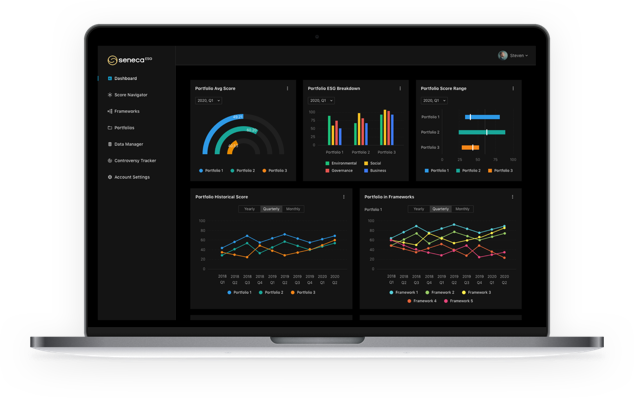
- Real-Time Insights: Benefit from an intuitive dashboard that provides clear, actionable visualizations of your ESG performance.
- Streamlined Processes: Automates data collection, aggregation, and reporting, saving you time and ensuring accuracy.
Want to learn more about how AERA and EPIC can help your business cut its carbon footprints and drive actionable sustainability? Get in touch with us today and discover how our innovative tools are paving the way for a sustainable future.
参考文献:
[1] https://carbonliteracy.com/the-carbon-cost-of-an-email/
[3] https://thereader.mitpress.mit.edu/the-staggering-ecological-impacts-of-computation-and-the-cloud/
[4] https://www.iea.org/commentaries/the-carbon-footprint-of-streaming-video-fact-checking-the-headlines
[6] https://www.statista.com/topics/8200/sustainability-in-e-commerce/
[7] https://www.weforum.org/stories/2020/01/carbon-emissions-online-shopping-solutions/
[8] https://theconsciousinsider.com/fast-fashion-facts-statistic-trends/