 English
  简体中文
简体中文  日本語
日本語  香港中文
香港中文  Français
  Español
  Bahasa Indonesia
  한국어
한국어 
In the ever-evolving landscape of corporate sustainability, understanding the effective strategies and common pitfalls is crucial for business success. This blog post delves into the key do’s and don’ts of aligning with the Corporate Sustainability Reporting Directive (CSRD). By adhering to best practices and avoiding common mistakes, companies can enhance transparency, build stakeholder trust, and drive long-term value. Whether you’re new to sustainability reporting or seeking to refine your approach, these insights will help steer your CSRD efforts in the right direction.
Understanding the CSRD
What is the CSRD?
The Corporate Sustainability Reporting Directive (CSRD) is a substantial legislative construct devised by the European Union for the purpose of amplifying both the transparency and accountability of corporate sustainability reporting. The CSRD goes beyond its precursor, the Non-Financial Reporting Directive (NFRD), by mandating a wider range of companies to release data on their environmental footprint, social responsibility, and governance practices.
The objective of this directive is to equip stakeholders, like investors, customers, and regulatory bodies, with comprehensive and dependable data on sustainability, thereby enabling informed decisions and promoting a more eco-friendly global market. The CSRD practices compulsory standardized reporting with an aim to instill uniformity and equivalence in sustainability reporting across EU markets, thereby setting off a new epoch of corporate transparency.
When Does the CSRD Take Effect?
Effective from January 5, 2023 [1], the Corporate Sustainability Reporting Directive is now in place.
Businesses are expected to adopt these new regulations for the first time in the financial year of 2024, with reports to be revealed in 2025. This timeline offers firms a vital opportunity to adapt to the enhanced stipulations, create solid reporting structures, and fully incorporate sustainable practices throughout their activities. It highlights the necessity of early readiness and the urgency for organizations to reevaluate their existing sustainability models.
Who Does CSRD Apply To?
The CSRD expands the range of businesses required to produce sustainability reports to include:
- Large Companies: Those companies defined as large enterprises by the CSRD, which are typically businesses with over 500 employees and either a net turnover surpassing EUR 40 million or a balance sheet total above EUR 20 million, are mandated to continue their extensive sustainability reporting under the CSRD. These businesses were previously obligated to report under the NFRD.
- SMEs listed on EU Regulated Markets: The CSRD requires adherence from SMEs listed on EU regulated markets, excluding only micro-enterprises. The directive sets proportionate standards that take into account the smaller scale and resource constraints of these businesses.
- Non-EU Companies with Substantial EU Revenue: Those companies situated outside of the EU but with a substantial EU market presence, especially those with a net annual turnover exceeding EUR 150 million within the EU, are required by the directive to provide sustainability reports if they satisfy these conditions.
- Entities within the Financial Sector: The CSRD covers a wide array of financial market players, including banks and insurance firms, regardless of their size. Their inclusion is due to their essential role in funding sustainable development and the significant influence of environmental, social and governance (ESG) aspects on their business operations and risk management strategies.
CSRD Do’s
Here are some recommendations for enhancing the efficiency of the CSRD process, even transforming it into a strategic powerhouse:
Do 1: Conduct Double Materiality Assessment
A double materiality assessment is integral to aligning with the requirements of the CSRD. It involves evaluating the impact of sustainability factors on the business and the business’s impact on the surrounding environment and society. This dual approach not only encapsulates financial materiality—how environmental and social factors effect financial performance—but also environmental and social materiality—the business’s footprint on the planet and society. Implementing a comprehensive double materiality assessment enables the company to identify key areas of concern and opportunity, informing stakeholders and guiding effective strategic planning. By understanding these dimensions, organizations can better prioritize their sustainability objectives, ensuring that corporate goals are both economically beneficial and socially responsible.
An effective double materiality assessment requires a combination of data analysis, stakeholder engagement, and expert judgment. Companies should gather quantitative and qualitative data from various internal and external sources, assess emerging social and environmental trends, and engage with stakeholders to gather insights on perceived impacts. This process helps to create a holistic picture of the company’s sustainability posture and the potential risks and opportunities associated with its operations. The results should be regularly reviewed and updated to reflect changes in the business environment, regulatory landscape, and stakeholder expectations. By continuously refining their materiality assessments, organizations can maintain relevance and proactively respond to evolving sustainability challenges.
Do 2: Utilize Software and Tools
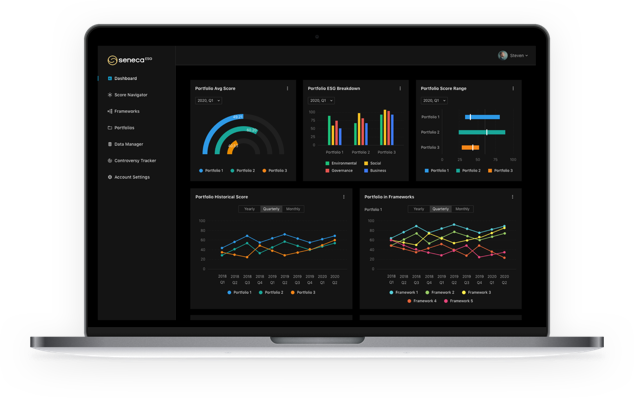
Implementing software and tools dedicated to sustainability reporting is essential for meeting the rigorous requirements of the CSRD. Such solutions can greatly enhance the efficiency and accuracy of data collection, analysis, and reporting processes. By digitizing and automating these tasks, companies can mitigate the risks of human errors and ensure compliance with the directive’s standards.
Advanced software provides sophisticated functionalities like data visualization, predictive analytics, and customizable reporting templates, enabling firms to derive deeper insights from their sustainability metrics. Moreover, these tools facilitate the integration of sustainability data with broader enterprise systems, promoting seamless cross-departmental collaboration and aligning sustainability objectives with overall corporate strategies.
By leveraging technology, organizations can better manage sustainability risks, track progress towards goals, and communicate their efforts transparently to stakeholders. It’s crucial for businesses to invest in the right software solutions that can adapt to the evolving regulatory landscape and scale with organizational growth. This technological adoption not only aids in fulfilling CSRD obligations but also empowers companies to drive strategic sustainability initiatives forward.
Achieve your sustainability goals effortlessly with our intuitive ESG software. Gain visibility into your ESG data, streamline reporting, and ensure compliance with regulations, all for an affordable cost. Start now!
Do 3: Consider CSRD as a Business Opportunity
Viewing the CSRD as a business opportunity allows companies to differentiate themselves in a competitive market. By proactively adopting enhanced sustainability practices, businesses can increase their attractiveness to socially conscious investors and consumers who prioritize sustainability. This not only aids in building a strong brand reputation but also provides a competitive edge in a landscape where sustainability is an increasingly important factor.
Implementing the CSRD offers the chance to drive innovation within an organization. Embracing sustainable practices can lead to improved operational efficiencies and cost savings, such as reduced energy consumption or waste minimization. Furthermore, the focus on sustainability can inspire the development of new products or services that meet the growing demand for environmentally and socially responsible offerings.
Adhering to the CSRD can also improve long-term resilience by better preparing companies for emerging regulatory trends and societal expectations. As global sustainability standards evolve, those who embrace CSRD compliance now will be better positioned to navigate future challenges. This forward-thinking approach not only aids in mitigating risks associated with non-compliance but also ensures sustainable growth in alignment with global movements towards a greener economy.
CSRD Don’ts
While there are several proactive steps businesses can take to align with the CSRD, there are also critical pitfalls to avoid in the sustainability reporting process:
Don’t 1: Don’t Overlook Data Quality and Availability
Accurate and reliable data is crucial for effective CSRD compliance, yet poor data quality is a common pitfall. Many companies lack the infrastructure to collect, verify, and track detailed ESG metrics. Without solid data, reports risk being vague, inaccurate, or misleading, which can lead to legal and reputational issues.
Inconsistent or incomplete data gathering also leads to difficulties in demonstrating improvements or tracking performance year-over-year. Many companies might struggle with aligning their internal data collection processes to the CSRD’s more granular requirements, such as energy consumption, waste generation, and employee well-being.
To overcome this, companies should invest in the right technology and processes to collect high-quality data. This might include implementing better software systems, training employees, and integrating ESG metrics into broader business operations. Additionally, data should be audited or verified where possible to ensure accuracy and completeness.
Don’t 2: Don’t Focus Only on Short-Term Goals
Another common mistake is focusing too much on short-term achievements without addressing the company’s long-term sustainability vision. Many businesses aim to “check the box” by producing compliance-based reports, but fail to embed sustainability into their overall business strategy. This can lead to reports that seem disconnected from the company’s core objectives and long-term challenges.
Investors and other stakeholders are increasingly looking for transparency around long-term goals, such as carbon neutrality/net-zero, diversity, and circular economy practices. Short-sighted reporting might show quick wins but may fail to provide a roadmap for sustained environmental and social impact. This weakens the credibility of the report and could result in lower stakeholder confidence.
To avoid this, companies should ensure that their sustainability reports reflect both short- and long-term goals. They should clearly articulate how they plan to meet future regulatory requirements, industry standards, and global sustainability goals like the UN’s Sustainable Development Goals (SDGs) [2].
Don’t 3: Don’t Neglect Governance and Accountability
Finally, failing to establish strong governance and accountability mechanisms for sustainability reporting can be a critical misstep. If sustainability efforts are not clearly managed and overseen at the executive level, they can lack direction, funding, and follow-through.
Without defined roles and accountability, it becomes harder to ensure that sustainability goals are met or that progress is accurately tracked. This leads to disorganized efforts and reports that fail to capture the true scope of the company’s ESG commitments.
Create clear governance structures, with board-level oversight or a dedicated sustainability committee, to ensure sustainability remains a top priority. Accountability at the highest levels signals to stakeholders that the company is serious about integrating ESG into its overall strategy.
Final Thoughts
In wrapping up, embracing the CSRD is not just about compliance but an opportunity to advance transformative change. Companies should view this as a chance to deepen their commitment to sustainability and build a resilient future. By integrating thoughtful strategies that focus on long-term value creation, they can not only meet regulatory demands but also inspire trust among stakeholders. This fosters a culture of continuous improvement and innovation throughout the organization. Ultimately, navigating the challenges of CSRD with diligence and foresight sets a foundation for sustained success and leadership in the global marketplace.
References: