 Bahasa Indonesia
  English
  简体中文
简体中文  日本語
日本語  香港中文
香港中文  Français
  Español
  한국어
한국어 
In 2025, reducing carbon emissions is no longer a “nice-to-have”, it’s a business imperative. Amid mounting regulatory pressure, shifting investor expectations, and intensifying climate risks, companies are being called to lead sustainability. Understanding how to reduce carbon footprint isn’t just about corporate social responsibility; it’s central to resilience, innovation, and long-term value creation.
From supply chain decarbonization to circular design, there are many ways to reduce carbon footprint and drive measurable environmental impact. This guide explores actionable strategies, key tools, and case examples of how businesses are pursuing carbon footprint reduction in 2025.
What Is Carbon Footprint, and Why It Matters
A jejak karbon refers to the total greenhouse gas (GHG) emissions caused directly and indirectly by an organization, activity, or product. It includes Lingkup 1 (direct emissions), Lingkup 2 (indirect energy-related emissions), and Lingkup 3 (value chain emissions).
According to the World Economic Forum (2024), Scope 3 emissions often account for over 70% of a company’s total carbon footprint, making them a critical priority. [1] Reducing carbon footprint improves ESG ratings, cuts energy costs, and enhances regulatory compliance under evolving frameworks like ISSB, CSRDdan SEC climate rules.
Energy Efficiency: The Fastest Route to Emissions Cuts
One of the most accessible ways to reduce carbon footprint is through operational efficiency. By improving how energy is consumed in buildings, factories, and processes, companies can significantly lower their emissions and costs.
Best Practices:
- Upgrade LED lighting and energy-efficient HVAC systems.
- Implement real-time energy monitoring.
- Use automation and AI for intelligent building management.
The IEA’s 2024 Energy Efficiency report highlights that enhancements in energy efficiency and electrification could deliver over 70% of the reductions in oil demand and half of gas demand by 2030, offering businesses and industries rapid ROI through reduced energy use and emissions. [2]
Renewable Energy and Electrification
To achieve meaningful carbon footprint reduction, businesses must shift away from fossil fuels. Transitioning to renewables like solar, wind, or hydro, especially for electricity consumption (Scope 2), is a high impact move.
Strategic Approaches:
- Invest in on-site solar or green PPAs (Power Purchase Agreements).
- Choose green tariffs from utilities where available.
- Electrify vehicle fleets and heating systems.
As of 2025, over 400 global companies have joined RE100, committing to source 100 % renewable electricity—many targeting completion well before 2050, signaling significant operational transformation in corporate energy use. [3]
Reducing Scope 3 Emissions Through Supply Chain Engagement
Scope 3 emissions—from upstream suppliers and downstream product use—are the most complex yet impactful frontier in reducing carbon footprint.
Tactics to Reduce Scope 3
- Include sustainability criteria in procurement contracts.
- Support suppliers in energy transitions through education and financing.
- Design low-carbon products and packaging.
Unilever’s Supplier Climate Programme engages around 300 priority suppliers—responsible for approximately 44% of its Scope 3 emissions—to share product-level carbon data, set science-based targets, and collaboratively reduce greenhouse gas emissions across raw materials, ingredients, and packaging by 2030. [4]
Embracing Circular Economy and Product Redesign
Product lifecycle emissions are often underestimated. A circular approach—focused on reuse, recycling, and resource efficiency—offers scalable ways to reduce carbon footprint.
Key Practices:
- Use recycled and low-carbon materials.
- Design for disassembly and recyclability.
- Extend product lifespan via leasing or repair models.
IKEA, for instance, aims to be a circular business by 2030 and already offers buy-back programs for furniture. Circularity not only cuts carbon but also aligns with consumer preferences for sustainable products.
Offset Strategically, But Don’t Rely on It
Carbon offsets can help neutralize emissions that are difficult to eliminate. However, the market is under increasing scrutiny, with a 2024 Reuters investigation revealing that over 40% of voluntary carbon credits fail to meet quality standards. [5]
Best Practices:
- Prioritize removal-based offsets like afforestation or biochar.
- Ensure third-party certification
- Disclose details such as offset type, project location, and permanence.
Use offsets only for residual emissions, not as a substitute for real decarbonization. Regulatory frameworks like CSRD now require transparency on offset reliance.
Case Studies: How Leading Companies Reduce Carbon Footprint
These real-world examples demonstrate that carbon footprint reduction is no longer a symbolic gesture—it’s a strategic imperative. From tech to logistics to consumer goods, leading companies are embedding climate action into core operations, supply chains, and innovation pipelines. Let’s explore how top global brands are turning ambition into measurable results.
Microsoft
Microsoft committed to becoming carbon negative by 2030. It has already electrified its operations, invested in carbon removal tech, and transitioned its data centers to renewable energy. It also charges its business units an internal carbon fee, incentivizing emissions reduction across departments. [6]
Nestlé
Nestlé’s climate roadmap targets 50% emissions reduction by 2030, with a focus on regenerative agriculture, low-carbon packaging, and responsible sourcing. It also engages thousands of farmers to reduce methane and nitrogen emissions—tackling Scope 3 at scale. [7]
DHL
The logistics giant is investing €7 billion in green aviation fuels, electric vehicles, and climate-neutral warehouses. By 2025, 60% of last-mile deliveries in urban areas will be emission-free. [8]
2025 Trends in Carbon Footprint Reduction
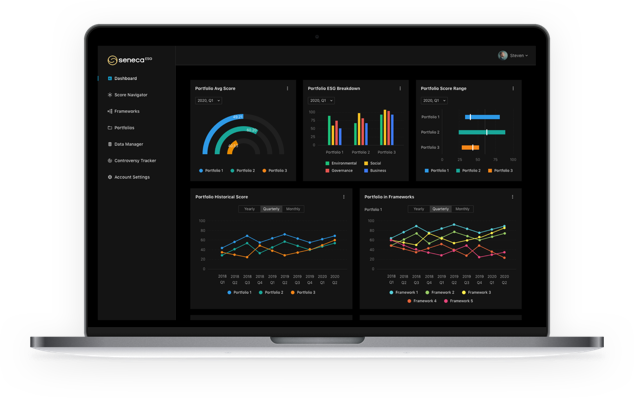
In 2025, carbon footprint reduction is being accelerated by digital transformation and evolving regulatory mandates. AI-powered ESG platforms enable companies to track real-time emissions, conduct climate risk forecasting, and streamline compliance with disclosure standards. These technologies not only improve data accuracy but also empower decision-makers to take proactive climate action. Additionally, governments in the UK, EU, and Canada have rolled out rules requiring listed firms to publish robust transition plans that outline how they intend to reach net zero. These plans must include capital allocation strategies, interim targets, and clear governance structures, raising the bar for corporate accountability.
At the same time, investor expectations have grown significantly. ESG fund managers are no longer satisfied with vague carbon-neutral claims; they now demand evidence-based carbon reduction roadmaps tied to financial performance. In parallel, product-level sustainability is gaining ground through upcoming EU regulations that will require disclosures on circular design principles. Companies must show how their products are designed for reuse, recyclability, and resource efficiency, integrating sustainability into every stage of the product lifecycle. Together, these trends signal a decisive shift toward more measurable, transparent, and strategic carbon footprint reduction efforts.
Strategic Takeaways for Reducing Carbon Footprint
| Strategi | Action Point |
| Start with Data | Conduct a carbon audit using trusted standards like the GHG Protocol or ISO 14064. |
| Focus on Efficiency | Implement energy-saving initiatives across operations to cut emissions and costs. |
| Go Renewable | Switch to renewable energy sources to reduce Scope 2 emissions (e.g., solar, PPAs). |
| Engage Suppliers | Collaborate with vendors to reduce upstream (Scope 3) emissions in the value chain. |
| Design for Circularity | Incorporate circular design principles—reuse, recycle, and minimize material waste. |
| Use Offsets Sparingly | Offset only unavoidable emissions and ensure credits are high-quality and verified. |
| Report Transparently | Disclose performance using ISSB, CSRD, and SEC-aligned ESG reporting frameworks. |
Pikiran Akhir
In today’s economy, reducing carbon footprint is to future-proof your business. Investors, customers, and regulators are rewarding companies that act boldly on climate. With the right data, partnerships, and technologies, reducing carbon footprint can unlock operational savings, market advantage, and reputational equity.
The question in 2025 isn’t whether to act, but how fast, how deep, and how transparently you can embed sustainability into your core strategy.
Referensi:
[1] https://www.weforum.org/stories/2023/01/climate-change-emissions-scope-3-companies-esg/
[4] https://www.unilever.com/suppliers/supplier-climate-programme/
[6] https://blogs.microsoft.com/on-the-issues/2025/02/13/progress-on-the-road-to-2030/
[7] https://www.nestle.com/sustainability/climate-change/zero-environmental-impact
[8] https://www.dhl.com/mq-en/home/press/press-archive/2021/accelerated-roadmap-to-decarbonization.html